

PlantPaper is a bamboo-based toilet paper that’s more sustainable than the standard stuff, focusing on being better for the environment without losing the quality you need.
Key Takeaways
- They use bamboo instead of trees, which is a much more renewable and water-friendly option than the typical wood pulp paper.
- Every roll is lab-tested, so you won’t find any PFAS, bleach, formaldehyde, or other harsh chemicals in your bathroom supplies.
- The subscription service is handy because it includes free shipping and works for any household, even if you have a septic system.
- It’s pretty easy to save some money each year, plus you can adjust your delivery schedule whenever you want or snag an introductory discount.
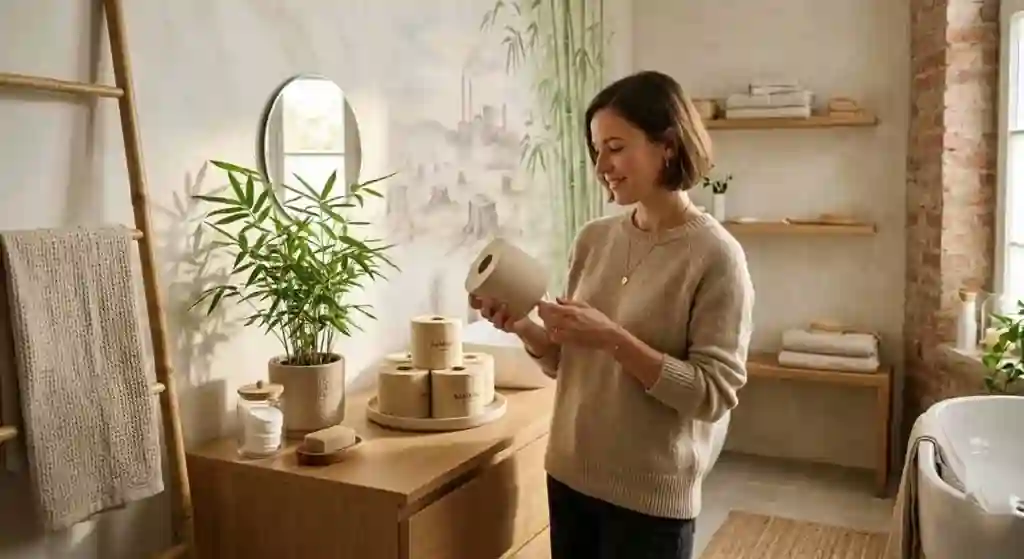
Have you ever wondered what’s actually in your toilet paper? We started looking into it recently, and it’s surprising how many of us don’t really think about what we’re buying for our bathrooms. A lot of people are starting to take a closer look at the products they use every day to see if they match up with what they care about, especially when it comes to the environment.
Most of the toilet paper you see at the store is made from wood pulp, which means huge numbers of trees are cut down every single day just to keep up with demand. It’s not just about the trees, though. Making that paper takes a massive amount of water and energy to turn timber into the rolls we end up using at home.
That’s why some people are trying out PlantPaper. Instead of relying on trees, they use bamboo. It’s a pretty simple way to rethink a basic household item, and it helps cut down on the resources needed for something we all use every day.
The Case for Bamboo: Why PlantPaper Stands Out
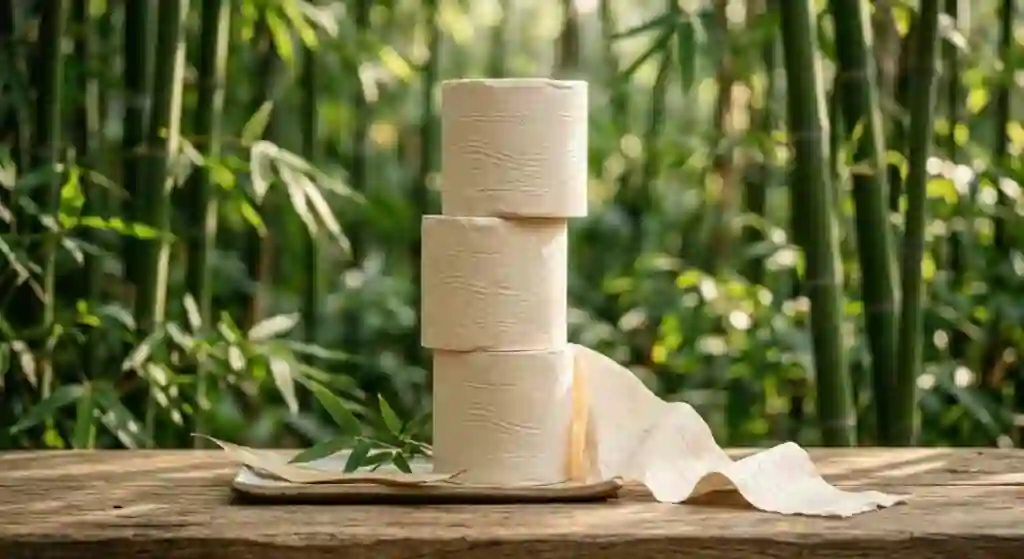
Bamboo grows remarkably fast up to 3.5 feet a day making it a much more renewable option than traditional trees. It also stores more carbon and produces about 35% more oxygen than typical forest stands. Because it regenerates so quickly, a bamboo grove can provide significantly more fiber than a forest of the same size.
Producing paper from bamboo is also easier on water resources, requiring about 30% less water than pulping wood. Since conventional paper manufacturing is often water-intensive, this reduction helps lower the environmental footprint of the process. It is simply a more efficient way to source the raw materials for a product we use every day.
The PlantPaper also avoids using harsh chemicals, meaning you won’t find any chlorine bleach or formaldehyde in their paper. Standard whitening processes often rely on chemicals that can be harmful, but this product is manufactured without those additives. Every roll is lab-tested and confirmed to be free of PFAS and other substances that are sometimes found in conventional brands.
Key Considerations When Choosing Sustainable Paper
When you’re picking out paper for your home, look for labels like FSC (Forest Stewardship Council). It’s a simple way to make sure the materials were gathered responsibly. Basically, it means the paper didn’t come from harmful deforestation practices.
You should also check what kind of chemicals might be in the paper. A lot of people are trying to avoid chlorine bleach, formaldehyde, and PFAS chemicals that show up in plenty of standard brands. It’s worth checking to see if the product is certified free of those additives.
Finally, make sure the paper is septic-safe. You want something that breaks down quickly in your pipes. It helps prevent clogs and just gives you some peace of mind, no matter what kind of system you have at home.
PlantPaper: Community Savings and Subscription Benefits
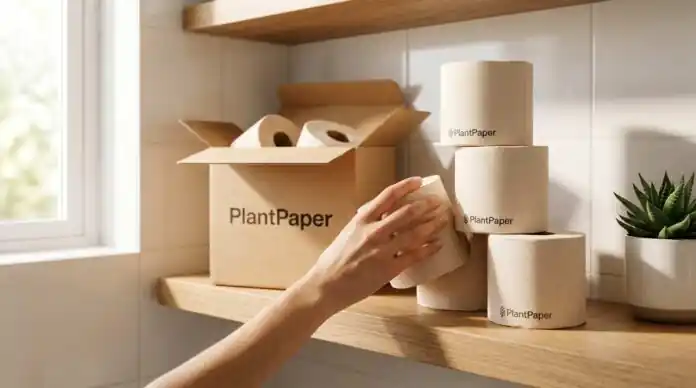
PlantPaper has a subscription service that brings toilet paper straight to your door. It’s a pretty simple way to keep your bathroom stocked without having to think about it. You can even manage your shipping schedule over text, which makes it easy to handle if your needs change. It’s a nice way to skip those last-minute store runs when you realize you’re suddenly out.
If you decide to give it a try, you can get 20% Off your first subscription order when you join the community. It’s just a way to save a little bit while you’re testing out the service. The whole idea behind the subscription is to keep things consistent, so you can set it up to work exactly how your household needs it to.
Product Highlights
When you’re picking out supplies for your home, it really comes down to finding things that work well and actually fit into your daily routine. If you look at what something is made of and how easy it is to get, you can quickly figure out if it’s the right fit for your household needs.
PlantPaper Facial Tissue
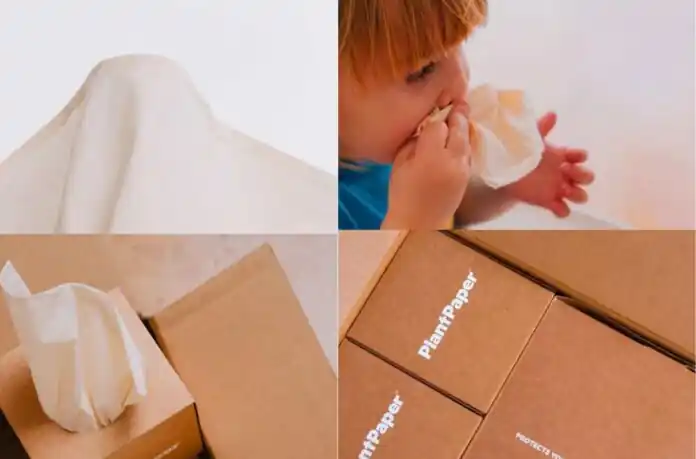
If you are looking for tissues without the extra dyes or fragrances, these 3-ply bamboo ones are worth a look. They are entirely tree-free and toxin-free. Because they are 3-ply, they feel pretty sturdy but stay soft, offering a nice change from the standard boxes you usually pick up at the store.
- Made from 100% FSC-Certified bamboo, so no trees were used to make them.
- The 3-ply thickness makes them feel durable without losing that softness you want.
- There are no added dyes or scents, and they are lab-tested to ensure they are PFAS-free.
- They offer a subscription service that comes with fast, free shipping right to your house.
If you sign up for a subscription, you can save about $20 a year on a 12-box supply. It’s flexible, too, so you can easily skip a shipment or cancel whenever you need to.
PlantPaper Toilet Paper

If you are looking for toilet paper that is durable and toxin-free, PlantPaper is a solid choice to consider. It is made from bamboo rather than traditional wood pulp, so it is completely tree-free. You get a reliable, soft sheet that doesn’t have any of the dyes or fragrances you often find in standard grocery store rolls.
- Made with 100% FSC-Certified bamboo fibers.
- It is 3-ply and has larger sheets, so it holds up well.
- Every batch is lab-tested to make sure it is free of PFAS, dyes, and scents.
- You can pick the right size for your home, with options ranging from 16 rolls all the way up to 96.
If you go with the subscription option, you can save about $40 a year. It is easy to change your shipping schedule or cancel whenever you need to, so you aren’t locked into anything.
Determining if PlantPaper is Right for Your Home

If you have a septic system, you know that not every toilet paper plays nice with your plumbing. PlantPaper is made to break down easily, which helps prevent clogs and keeps your system running smoothly.
It works for any home, whether you’re living in a small apartment or trying to keep a busy family stocked up. Since you can adjust the subscription, it’s easy to change how often you get shipments to match exactly what your household actually needs.
Switching from standard tree-based paper to bamboo is a bit of a change, but it’s designed to feel familiar. It has the strength and texture you’re already used to, so making the swap is pretty straightforward for anyone.
How to Get Started with PlantPaper
You can grab PlantPaper directly from their website. You have the choice to set up a subscription if you want to keep things on autopilot, or you can just place a one-time order if you’d rather try it out first. The process is pretty straightforward you just pick how much you need and set the delivery schedule that works for you.
If you want to look at the different options, you can browse their full collection to see what fits your home best. They also sell gift cards on the site, which makes it easy if you want to pick some up for someone else.
Summary
PlantPaper is a sustainable option that swaps out standard wood pulp for FSC-certified bamboo. You can sign up for a subscription for their toilet paper or facial tissues, which comes with free shipping and a text-based system for managing your deliveries. If you’re new to the community, you can get 20% Off your first subscription order to test it out.
The lineup features 3-ply toilet paper and facial tissues that are all toxin-free, meaning no dyes, fragrances, or PFAS. They are built to be soft and strong, and because they break down easily, they are safe for septic systems. With their subscription plans, you can save about $20 a year on tissues and up to $40 a year on toilet paper, which helps keep costs down while keeping your supply steady.
If you’re looking for sustainable paper products, it’s a good idea to check for certifications like FSC so you know the materials were sourced responsibly. It’s also worth using subscription services to avoid those last-minute runs to the store when you unexpectedly run out. It’s a simple way to keep your home stocked without the hassle.

