

Sports and fitness watches for women, having surged in popularity, are favored for their advanced tracking capabilities. These devices go beyond simple step tracking; they’re equipped with features for comprehensive health and fitness tracking. From tracking daily activity levels to offering detailed insights through heart rate tracking, sleep quality tracking, and even GPS tracking for mapping runs and hikes, fitness and sports watches are at the forefront of tracking personal wellness.
Initially, fitness watch designs and marketing targeted a predominantly male audience, but there has been a notable shift towards inclusivity. The industry now embraces trends towards inclusivity, particularly for fitness watches for women, with an explosion in options catering to the specific needs of women. This includes designs with a more feminine touch and features like menstrual cycle tracking. This pivot towards inclusivity has broadened the appeal of sports watches, making fitness watches for women an essential for anyone pursuing an active, healthy lifestyle.
Why Choose A Fitness Watch?

Fitness trackers are revolutionizing the way we approach personal health and exercise. By offering detailed insights into our daily activity levels, heart rate, and sleep patterns, these devices equip users with personalized data to optimize their workout routines and lifestyle habits. The inclusion of sleep score features further enhances the ability to monitor one’s overall wellbeing, making informed decisions about rest and recovery just as prioritized as physical activity.
Moreover, fitness tracking extends into goal-setting and coaching, transforming sports watches into virtual trainers for women. These devices not only motivate by setting targets for steps, calories, and sleep but also provide real-time feedback and guided workout programs. This makes fitness trackers invaluable for women looking to start their fitness journey or push their limits, offering a blend of motivation, accountability, and tailored training advice.
The Importance Of Design
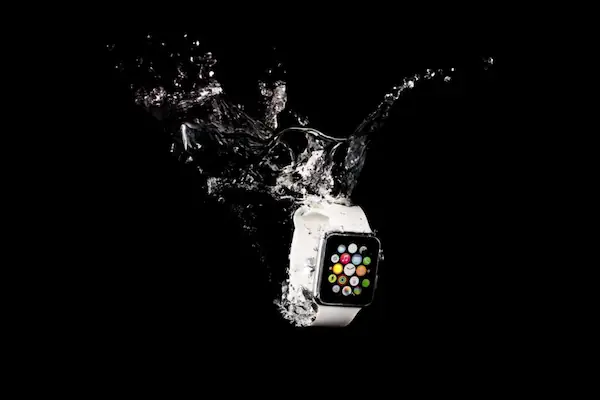
When selecting the ideal fitness watch, both functionality and style play crucial roles. This distinction becomes clear in the design of women’s fitness watches, which differ significantly from those aimed at men. Numerous brands now present designs that are sleek, slim, and tailored to feminine preferences. These watches serve a dual purpose, offering activity tracking while effortlessly matching any ensemble as daily wear accessories.
Moreover, some brands have gone the extra mile to consider the unique needs of women when it comes to design. For example, some fitness and sports watches now offer smaller band sizes for those with petite wrists and adjustable bands for a comfortable fit. This attention to detail not only makes these watches more appealing but also ensures they stay securely on the wrist during workouts.
The Basics Of Fitness Tracking

At the core of every fitness watch is the ability to track activities. They achieve this through a combination of sensors and algorithms that monitor movements, heart rate, and sometimes even the ambient environment. Understanding how these watches track activities can be insightful. Essentially, accelerometers and gyroscopes within the devices detect motion, distinguishing between different types of physical activity such as walking, running, or cycling. Heart rate sensors, often using photoplethysmography (where light is used to measure blood volume changes), further enhance the tracking capabilities by providing data on exercise intensity and calorie burn.
Advanced Fitness Tracking Features

For those seeking to maximize the benefits of the best fitness trackers, contemporary devices provide an array of sophisticated features that extend far beyond simple step counting or calorie monitoring.
VO2 Max:
This is a measurement of the maximum amount of oxygen your body can utilize during intense exercise. It’s a great indicator of cardiovascular fitness and endurance. Many fitness watches estimate VO2 Max during running or cycling activities, offering insights into your fitness level and how it can improve over time.
Stress Tracking:
The Best Fitness Watch analyzes heart rate variability (the variation in time between each heartbeat), offering insights into your stress levels throughout the day. This feature can help users identify patterns or triggers of stress and take steps to manage their stress more effectively.
Sleep Tracking:
Beyond the basics of monitoring when you sleep and wake, advanced fitness watches analyze sleep stages (light, deep, REM) to provide a comprehensive view of sleep score. They might also offer tips for improving sleep patterns and, consequently, overall well-being.
Menstrual Cycle Tracking:
Recognizing the importance of hormonal changes on physical performance and wellness, many sports watches now include menstrual tracking, even catering to those with small wrists. This feature allows users to log symptoms, track cycle phases, and even receive predictions for future cycles seven days in advance, helping to plan exercise and nutrition accordingly.
Recovery Insights:
The main concern of some devices is to use metrics like heart rate variability, recent sleep score, and physical activity levels to gauge how well your body has recovered from exercise and stress, suggesting optimal workout times or rest periods.
Fitness Trackers: A Buyer’s Guide
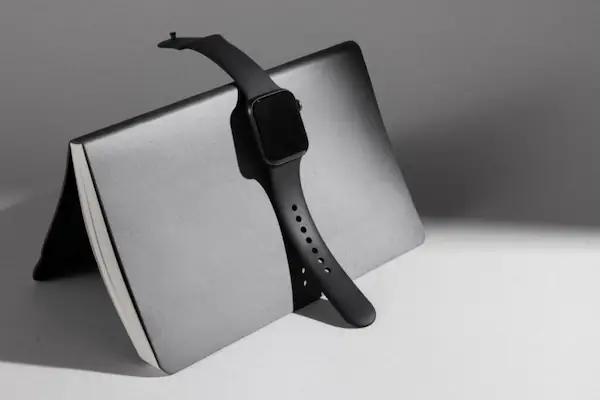
When venturing into the vast market of fitness trackers and regular watch, it’s crucial to arm yourself with information on what key features to look for. These not only enhance the tracking experience but also ensure that the device meets your personal health and fitness needs.
Key Features To Look Out For In Fitness Trackers
- Sensors and Accuracy: The heart of a fitness tracker’s functionality lies in its sensors. Look for devices with accurate heart rate monitors, accelerometers, gyroscopes, and active minutes tracking to ensure precise tracking of your activities, sleep, and, if applicable, swimming laps.
- Battery Life: Depending on your intended use for your fitness tracker, battery life can be crucial. Devices with built-in GPS and other advanced features may need charging every few days, whereas some can last up to a week on a single charge.
- Design and Comfort: The best fitness tracker is one that you’ll wear consistently. Choose a design that fits your style and is comfortable for long wear, especially during sleep.
- Water Resistance: For swimmers or those who don’t want the hassle of removing their watch before a shower, water resistance is crucial. It’s important to check the device’s IP rating to gain in-depth metrics and understand its limitations in terms of water exposure.
- Smart Features: Consider trackers with Garmin Coach, smart notifications, music control, and compatibility with your smartphone to get the most out of your device.
Comparing Top Fitness Tracker Models For Women
When comparing fitness trackers, it’s essential to consider how each model balances features, affordable price, and design to meet your needs. Here’s a brief overview:
Fitbit Charge 5:

Offers a comprehensive health and fitness stats suite for casual users, including EDA (Electrodermal Activity) for stress management, built-in GPS, and a bright, colorful display. Its sleek design and comfortable band make it an excellent option for all-day wear, though it comes at a mid-range price point.
Garmin Vivosmart 4:
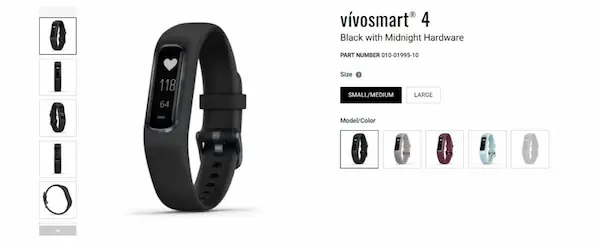
Known for its slim design and advanced sleep tracking features, including REM sleep and blood oxygen saturation monitoring overnight. It’s less expensive than some competitors but lacks GPS, making it better for those who prioritize sleep and health tracking over precise location tracking for outdoor activities.
Apple Watch Series 7:
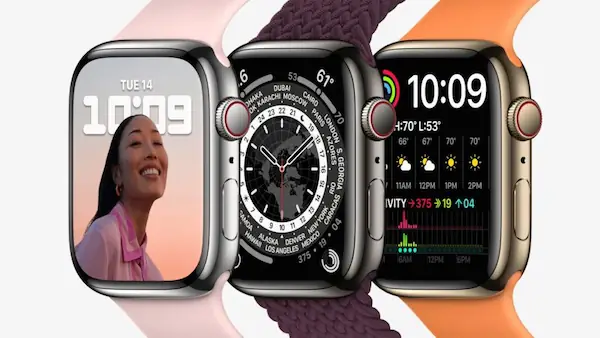
While not exclusively a fitness tracker, its comprehensive health and fitness features, large display, and integration with the iOS ecosystem make it a top choice for apple users. It’s on the higher end in terms of price but offers unparalleled functionality, including ECG and oxygen saturation monitoring.
Samsung Galaxy Fit2:
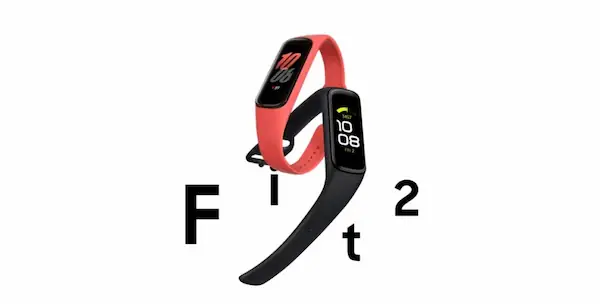
For those looking for an affordable choice, the Galaxy Fit2 offers key features such as stress monitoring, menstrual tracking, and a reasonably precise heart rate monitor. Its slim, lightweight design and impressive battery life render it appealing for newcomers exploring the best fitness trackers.
Fitness Tracker Reviews: Individual Reviews Of Top Models

A thorough examination of each model highlights their strengths and weaknesses, providing prospective buyers with a clearer understanding of which device aligns best with their lifestyle and enhances their training sessions.
Fitbit Charge 5
Pros: The Fitbit Charge 5 stands out for its comprehensive health metrics, including stress management tools, a built-in GPS mode with Google Maps integration, providing a holistic view of the wearer’s health. Its bright, always-on display is easy to read in various lighting conditions, enhancing user experience.
Cons: Despite its advantages, the Charge 5’s price may deter some budget-conscious consumers. Additionally, while it boasts a range of features, it requires frequent charging, especially with intense use.
Garmin Vivosmart 4
Pros: This model is celebrated for its slim design, sophisticated sleep tracking capabilities, and extremely accurate tracking, appealing particularly to users prioritizing a comfortable, sleep-focused tracker. The great battery life is commendable, supporting extended use without frequent recharges.
Cons: The lack of GPS functionality limits its appeal to outdoor enthusiasts who require location tracking for activities like running or cycling.
Apple Watch Series 7
Pros: The Apple Watch Series 7 is a powerhouse of functionality, offering not just fitness tracking but also comprehensive health features, including ECG, blood oxygen monitoring, and continuous heart rate monitoring, making it a mini-health hub on your wrist. Its integration with the iOS ecosystem is smooth, providing a seamless experience for iPhone users.
Cons: The high price tag makes this model a significant investment. Additionally, to fully utilize its features, the device needs daily charging, which might be inconvenient for some users.
Samsung Galaxy Fit2
Pros: For those entering the world of the best fitness trackers on a budget, the Galaxy Fit2 presents an attractive option. It covers essential features efficiently and boasts a slender, elegant design with impressive battery life.
Cons: The Galaxy Fit2’s functionality is basic compared to more expensive counterparts, and it might not satisfy users looking for advanced health monitoring features.
User Feedback And Community Reviews

Insights from real users add valuable perspectives to our understanding of these devices. Many Fitbit Charge 5 users appreciate its all-day health tracking capabilities, although some report frustrations over its battery life. Garmin Vivosmart 4 enthusiasts highlight its sleep score tracking as a game-changer for their nightly routine, but miss having built in GPS mode. Apple Watch Series 7 buyers are generally pleased with its wide range of applications and health features, citing only the daily charging requirement as a drawback.
Samsung Galaxy Fit2 wearers commend its value for money, acknowledging that while it may not include all the bells and whistles of higher-priced models, it serves well for basic fitness stats needs. These community insights underscore the importance of considering personal preferences and lifestyle when choosing a fitness tracker.
Setting Up Your Fitness Tracker

Setting up your new fitness tracker correctly is crucial for embarking on a journey towards a healthier lifestyle. It acts as your personal assistant, monitoring your activities and providing insights into your health and fitness progress. To ensure you get the most out of your device, follow this detailed step-by-step guide to begin:
Charge Your Device:
Before initiating the setup process for your new device, with its seven-day battery life, it’s crucial to verify that your tracker is fully charged. Ensuring a full charge before beginning can significantly reduce the risk of experiencing any frustrating interruptions or unnecessary delays during the setup phase. A low battery can halt the process, causing inconvenience and potentially extending the time it takes to get your device, which boasts a seven-day battery life, up and running. Taking this simple step beforehand guarantees a smoother setup experience with your device’s seven-day battery life.
Download The Companion App:
For the majority of sports watches available on the market, it’s necessary to download a specific companion application to your smartphone to get started. This application serves as the central hub where all your activity data is synchronized and stored. Once installed, you can access your metrics, analyze your progress over time, and adjust your watch’s settings to suit your personal preferences and goals. This setup allows for a more personalized and interactive experience, enabling users to fully utilize the capabilities of their device.
Create Or Sign In To Your Account:
If you’re exploring our brand for the first time, you’ll likely need to go through the process of creating a new account to get started. This step is essential for accessing our full range of services and products. On the other hand, if you’re already familiar with our brand and have previously set up an account, you can bypass this step by simply signing in with your existing credentials. This way, you can quickly dive back into exploring what we have to offer without any delay.
Sync Your Device:
To ensure your fitness tracker is successfully synced with your smartphone, carefully follow the step-by-step instructions provided within the app. Begin by activating Bluetooth on your smartphone, which can typically be found in the settings menu under the ‘Connections’ or ‘Bluetooth’ section. Once Bluetooth is enabled, keep your fitness tracker within close proximity to your phone. This proximity helps facilitate a smooth and efficient pairing process, allowing you to start tracking your fitness activities immediately.
Customize Your Settings:
Begin by entering your personal details, including your age, weight, and height, to ensure the tracking is as accurate as possible. Additionally, customize your experience by setting up specific goals tailored to your lifestyle needs, such as targeting a certain number of steps per day or aiming for a specific number of hours of sleep each night. This personalization will help you achieve your health and wellness objectives more effectively.
Familiarize Yourself With The Features:
Dedicate a moment to delve into the multitude of features offered by your tracker. This includes monitoring your heart rate to understand your physical exertion levels, utilizing the GPS function (should your device be equipped with it) to accurately track your outdoor activities and routes, and analyzing your sleep score tracking to gain insights into your sleep quality and patterns. Engaging with these functionalities can greatly enhance your health and fitness journey.
Tips And Tricks For Maximizing Your Tracker

To get the most out of your best fitness watch, consider the following tips:
- Wear It Properly: Ensure your tracker is snug but not too tight. For heart rate monitors, wearing the tracker slightly higher on your wrist during workouts can improve accuracy.
- Regularly Sync Your Data: Make it a habit to sync your tracker with its companion app. This not only backs up your data but also provides you with insightful analytics over time.
- Set Personal Goals: Utilize the app to set personal fitness and health goals. Many trackers offer goal setting for steps, calories burned, distance cycled or run, and hours slept.
- Explore All Features: Beyond basic tracking, many fitness watches offer additional features such as meditation breathing exercises, stress management tools, or reminders to move if you’ve been inactive for too long.
- Participate in Challenges: Some fitness apps allow you to join challenges or compete with friends, adding a motivational social element to your fitness routine.
- Stay Updated: Keep your fitness tracker and its app updated to benefit from the latest features and improvements.
Fitness Tracking Apps Overview
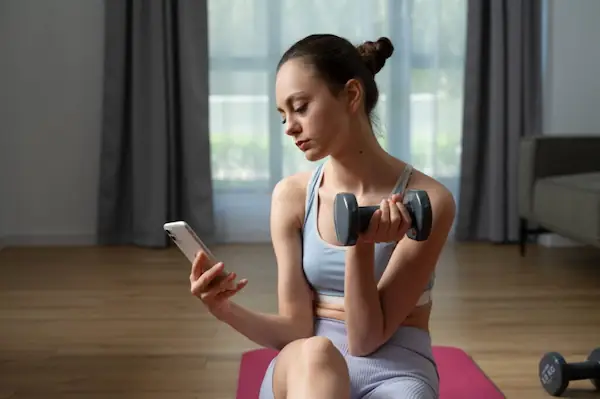
Companion apps play a crucial role in enhancing the overall experience of using fitness trackers. They serve as the interface where all the data your device collects is aggregated, analyzed, and presented in an understandable way. These apps amplify the value of fitness trackers by:
- Detailed Analytics: Providing deeper insights into your health and fitness trends over time. This includes sleep patterns, heart rate variability, and workout effectiveness.
- Goal Setting And Monitoring: Allowing you to set specific fitness and health goals and track your progress toward achieving them.
- Personalized Recommendations: Offering tailored advice based on your activity levels, such as suggested workouts, recovery times, and nutrition tips.
- Social Features: Enabling you to connect with friends for challenges and shared fitness activities, fostering a sense of community and motivation.
- Integration With Other Apps: Most fitness apps can integrate with a wider ecosystem of health apps, ensuring a holistic view of your health.
Integrating Fitness Tracking With Health Apps
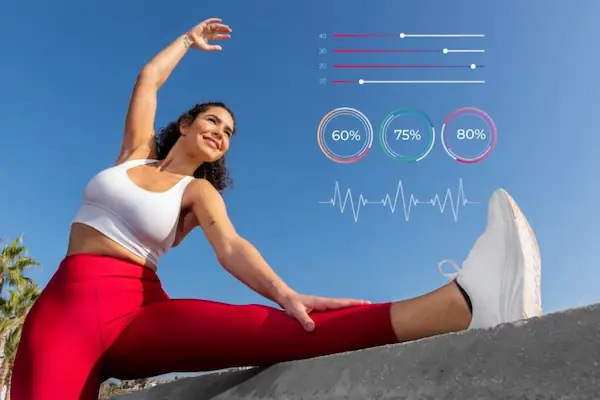
Syncing data from your fitness tracker with other health apps can create a comprehensive health overview that’s more detailed and insightful. This integration allows for several benefits:
- Holistic Health Management: By combining data on physical activity with information on diet, sleep quality, and even mental health, users can gain a fuller picture of their overall health.
- Medical Insight: Sharing this integrated data with healthcare providers can help in monitoring chronic conditions, adjusting medications, or tailoring health advice.
- Custom Health Goals: The combination of data from diverse sources allows for more nuanced and personalized health goals, beyond simple step counts or workout minutes.
- Motivation And Accountability: Seeing the direct impact of exercise on factors like blood pressure, weight, or stress levels can provide additional motivation and reinforce positive habits.
The Importance Of Sleep Tracking

The Role Of Sleep In Fitness And Recovery: Sleep serves as a critical component of physical health and fitness, with quality rest promoting recovery, muscle growth, and overall wellbeing. Tracking sleep patterns can provide valuable insights into the effectiveness of your fitness regimen and your body’s recovery processes. Understanding these patterns can help identify areas for improvement in both your workout and rest schedules, ensuring optimal performance and health.
Analyzing Sleep Data

What Your Sleep Data Means And How To Use It: Sleep data, often collected through your fitness tracker, encompasses various metrics such as duration, quality, and stages of sleep (light, deep, REM). By analyzing this data, you can pinpoint irregularities in your sleep patterns, assess sleep quality, and determine if you’re getting enough restorative sleep for recovery. Utilizing this information, you can adjust your daily routines, manage stress levels, and make other lifestyle changes to enhance sleep quality and, by extension, your overall fitness and health.
Setting And Tracking Fitness Goals
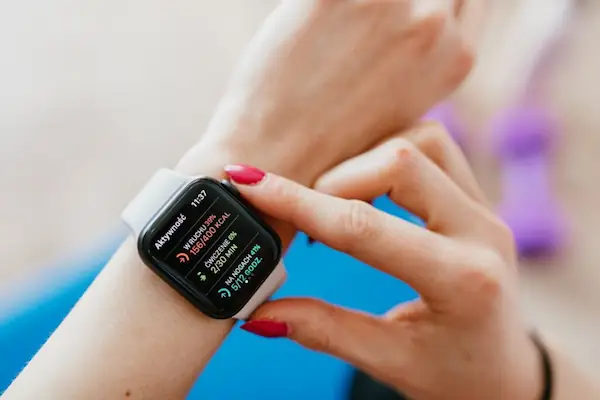
Using Your Watch to Set Achievable Goals: A major benefit of fitness trackers is their capability to assist you in establishing and tracking attainable activity targets. Whether it’s setting a daily step count or aiming for a certain amount of sleep each night, by inputting your objectives into the device or its associated app, you’re able to monitor your achievements as they happen. This instant feedback not only motivates you to stick to your activity plans but also enables timely modifications, making sure your targets stay achievable and realistic.
Success Stories

Real-life Transformations and Achievements: There are countless success stories of individuals who have utilized fitness trackers to make significant improvements to their health and wellbeing. From weight loss journeys facilitated by diligent step and calorie tracking, to improved cardiovascular health through consistent heart rate monitoring workouts, these stories serve as powerful testimonials to the effectiveness of fitness trackers. What’s more, many users report that seeing their progress over time has provided additional motivation to maintain a healthy lifestyle, demonstrating the value of integrating technology into your fitness routine.
Regular Maintenance Tips

To ensure that your fitness tracker continues to function optimally, regular maintenance is key. Here are some ways to keep your device in top shape:
- Clean Regularly: Wipe your device with a soft, lint-free cloth. Avoid using any harsh chemicals, which can damage the device’s materials.
- Update Software: Regularly check for and install any firmware or software updates from the manufacturer. These updates can fix bugs, improve performance, and add new features.
- Charge Properly: Follow the manufacturer’s instructions for charging your device to avoid battery issues. Using non-approved chargers can damage your tracker.
- Check For Wear And Tear: Inspect your device regularly for any signs of wear or damage, especially if it’s used during intense physical activities or in harsh weather conditions.
Troubleshooting Common Issues

Despite adhering to a strict regimen of regular maintenance, it’s possible that you’ll still face some challenges with your fitness tracker and sports watches. To help you navigate these occasional hiccups, we’ve compiled a comprehensive list of tips aimed at resolving some of the most common issues users encounter with these devices:
Syncing Errors:
If you’re experiencing issues where your device isn’t syncing correctly with your phone or app, a good first step is to restart both your tracker and your phone. This can often resolve minor connectivity issues. Additionally, ensure that the Bluetooth connection on your phone is active and not encountering interference. It’s also crucial to check that the app you’re using is updated to the latest version, as outdated software can cause syncing problems. By taking these steps, you can often troubleshoot and solve the syncing issue effectively.
Battery Life Problems:
Poor battery life, a common frustration for many, can frequently be enhanced by making simple adjustments to your device’s settings. For instance, lowering the screen brightness, which consumes a significant amount of power, can extend the battery’s life. Additionally, turning off unnecessary notifications that constantly wake your device can further conserve power. Another helpful strategy is to close any apps running in the background on your phone. These apps, although not in use, can drain the battery by running processes such as updates or location tracking. By paying attention to these aspects, you can significantly improve your device’s battery performance.
Unresponsive Screen:
If you find that the screen of your device is not responding to your touches or gestures, the first step you should consider is to restart your device. This can often resolve minor glitches and software issues that might be causing the screen to be unresponsive. To do this, simply turn off your device and then turn it back on after a few moments. If restarting your device does not solve the problem, you may need to consider performing a factory reset as a more drastic measure. Please be aware that opting for a factory reset will erase all the data stored on your device, including your personal files, applications, and settings. Therefore, it’s highly recommended to back up all important data before proceeding with a factory reset.
Accuracy Issues:
At times, if you notice that your device is providing inaccurate tracking data, a simple recalibration within the device settings may correct the issue. It’s crucial to ensure that the device is worn exactly as the manufacturer recommends. This often means adjusting it to fit snugly against your skin, allowing the built-in GPS feature to function optimally. By doing so, you significantly enhance the device’s ability to track with the highest level of accuracy, whether you’re running, walking, or engaging in any other physical activity.
What To Expect In The Future
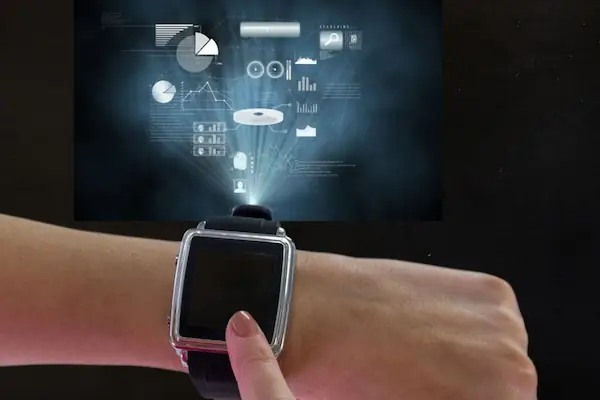
The evolution of fitness and sports watches for women is set to bridge the gap between state-of-the-art technology and user-centric design even further. Anticipate advancements in health monitoring capabilities, such as improved sensors for more accurate tracking of vital signs and potentially the ability to monitor new health metrics like hydration levels or stress analysis. Long battery life will see significant improvements, making devices more convenient for continuous wear. Additionally, expect enhanced customization options, allowing users to tailor their devices not only in functionality but also in appearance to suit their personal style and needs.
The Intersection Of Fashion And Functionality

Fitness and sports watches are increasingly becoming a fashion statement for women, blending seamlessly with both casual and formal attire. Designers are focusing on creating sleek, stylish models that incorporate a variety of materials like metals, leather, and even designer fabrics. These watches are not just functional gadgets but also trendy accessories, equipped with interchangeable straps and customizable faces to match any outfit or occasion. This trend signifies a move towards devices that don’t just serve a purpose but also complement the wearer’s personal style and fashion sense.
Conclusion
In conclusion, fitness and sports watches for women have evolved into essential tools for health monitoring and personal style statements. They offer a blend of functionality and fashion, enabling women to track their physical activities, monitor health metrics, and seamlessly integrate technology into their daily lives. The benefits of these devices extend beyond mere fitness tracking; they encourage a healthier lifestyle, enhance the convenience of receiving notifications and updates, and even serve as fashionable accessories that complement any outfit. As technology progresses, we can expect these devices to become even more integrated into our lives, offering even greater insights into our health and well-being while keeping us stylishly on-trend.

