

The 2000s marked a transformative period for hip hop culture, where art, fashion, and social commentary converged to create a distinctive identity. Influential artists like Jay-Z, Kanye West, and Missy Elliott introduced innovative sounds that blended elements from various genres such as R&B, rock, and electronic music, reshaping the musical landscape. Fashion trends from this era were equally significant, with baggy jeans, oversized tees, and vibrant sneakers becoming symbols of authenticity and street credibility. Accessories like chunky jewelry and snapback hats further defined the aesthetic, leaving a lasting impact on global fashion.
This era was not just about music and style; it birthed cultural movements that addressed social issues and influenced youth worldwide. The 2000s hip hop style represented a unique and groundbreaking phase, characterized by distinct fashion trends, diverse musical influences, and cultural movements. Together, these elements shaped contemporary culture and continue to resonate today.
Fashion Trends:
The 2000s hip hop fashion scene was characterized by casual streetwear, branded clothing, and extravagant accessories. Denim jeans, hoodies, and sneakers were popular choices, while brands like Nike, Adidas, and Fubu dominated the market. Bling culture also played a significant role, with rappers often sporting gold chains and luxury watches.
Denim and Streetwear:
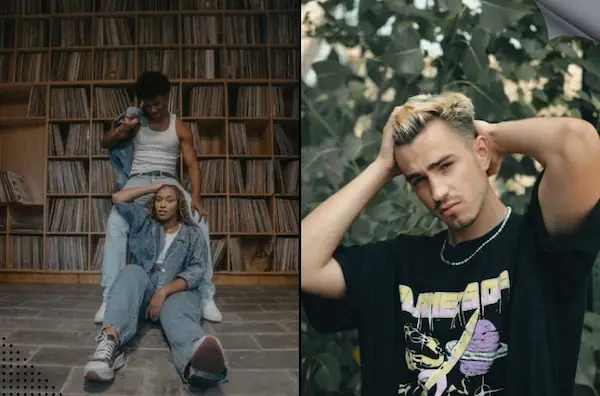
Denim jeans took center stage in the 2000s hip hop fashion scene, embodying both comfort and style. The versatility of this fabric allowed artists and fans alike to express their individuality while adhering to streetwear aesthetics. Hoodies became a staple, providing a relaxed yet edgy look that often featured bold graphics or iconic brand logos. Sneakers were essential as well, with styles ranging from high-tops to low-tops, and brands like Nike and Adidas leading the pack.
Iconic brands such as Levi’s and Tommy Hilfiger flourished during this era, establishing themselves as part of the hip hop wardrobe. Additionally, labels like Sean John and Fubu emerged from within the culture, offering apparel that resonated deeply with the community, highlighting a sense of pride and identity. Together, these elements solidified denim and streetwear as foundational aspects of 2000s hip hop culture, influencing fashion trends that persist to this day.
Logo Mania:
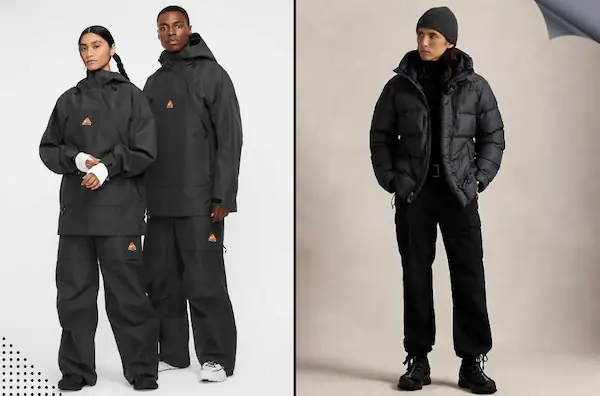
The 2000s hip hop scene witnessed a surge in the popularity of branded clothing and accessories, where logos became a status symbol and a key aspect of personal identity. Iconic brands like Nike and Adidas dominated sneaker culture, with their bold logos prominently displayed on high-tops and low-tops alike. Polo Ralph Lauren emerged as a staple in the hip hop wardrobe, particularly with its signature polo shirts and the instantly recognizable pony logo that resonated with the affluent street style.
Ecko Unltd. also made waves during this time, becoming synonymous with urban streetwear and offering apparel that featured distinctive graphics and bold branding. This era saw fans and artists alike embracing these logos not just for their aesthetic but as a way to express affiliation with a lifestyle and culture that celebrated authenticity and individuality. The prevalence of logo-centric fashion became a defining characteristic of 2000s hip hop style, cementing these brands’ places in both music and fashion history.
Baseball Caps:

Baseball caps became a staple in 2000s hip hop fashion, serving both practical purposes and making bold style statements. Worn backward or tilted, these caps embodied a relaxed attitude that resonated with the urban aesthetic. Leading brands like New Era and Mitchell & Ness emerged, with their fitted and snapback designs becoming essential accessories for both artists and fans. New Era, in particular, gained fame for its 59FIFTY fitted caps, offering a range of colors and team logos that allowed wearers to showcase their affiliations while maintaining their style. Kangol also carved out a niche in the hip-hop community with its distinct bucket hats and high-quality fabric, appealing to artists seeking a more relaxed yet iconic look. Together, these brands elevated the baseball cap to a symbol of hip hop culture, blending functionality with a striking fashion statement that continues to influence trends today.
Gold Chains and Jewelry:

The bling culture of the 2000s hip hop scene elevated gold chains and extravagant jewelry to iconic status, symbolizing wealth, success, and authenticity within the community. Artists proudly wore large, flashy chains, often customized to reflect their individual style and brand affiliations. Brands like Icebox, Jacob & Co., and King Ice became highly sought after among rappers and fans alike, each representing a unique aspect of the hip hop aesthetic.
Icebox was renowned for its high-quality diamond-encrusted pieces, appealing to those in search of luxury and opulence. Jacob & Co. distinguished itself with innovative designs and intricate craftsmanship, solidifying its position as a leader in high-end hip hop jewelry. Meanwhile, King Ice captured the essence of urban style with affordable yet statement-making accessories, attracting a broader audience. Collectively, these brands not only shaped the visual identity of 2000s hip hop but also established jewelry as a vital element of the culture, serving as a means of self-expression and a marker of social status.
Music Influences Fashion:
The 2000s saw a diverse and evolving music landscape within hip hop. While the G-funk sound continued to influence artists, new styles like gangsta rap, southern rap, and crunk emerged, reflecting the changing cultural and regional trends. Additionally, collaborations with rock, pop, and R&B artists expanded the boundaries of hip hop and introduced new sounds to the genre.
G-Funk:
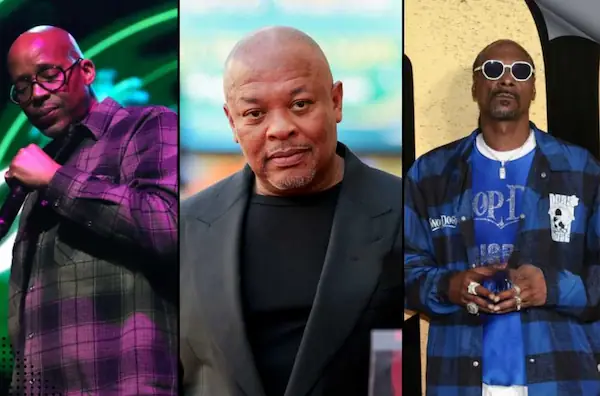
The G-funk sound, which emerged in the early 1990s, thrived into the 2000s, significantly shaping the sonic landscape of hip hop. Characterized by smooth, laid-back beats, heavy synthesizer use, and funky basslines, G-funk maintained its influence during this era. Key artists like Dr. Dre, Snoop Dogg, and Warren G played crucial roles in ensuring the genre’s continued popularity. Dr. Dre, often referred to as the Godfather of G-funk, produced iconic tracks that highlighted his innovative production techniques.
Snoop Dogg, known for his unmistakable smooth delivery and charismatic presence, embodied the G-funk lifestyle, bringing it to mainstream audiences with hits like “Still D.R.E.” and “Drop It Like It’s Hot.” Meanwhile, Warren G, best known for his classic track “Regulate,” infused G-funk with relatable narratives and a party vibe. Together, these artists not only extended G-funk’s legacy but also solidified its status as a timeless influence within the broader context of 2000s hip hop.
Gangsta Rap:
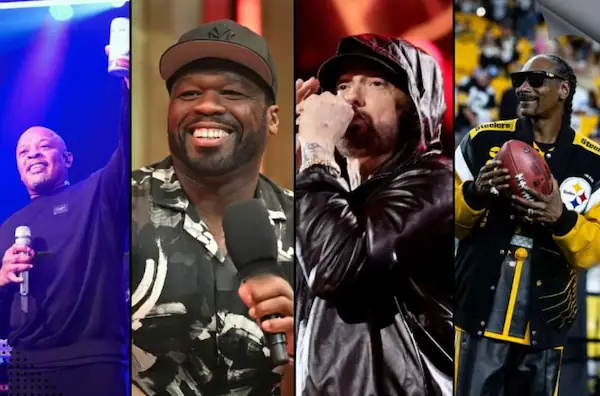
The evolution of gangsta rap in the 2000s marked a significant shift in the genre, characterized by its gritty narratives and raw storytelling. Artists like 50 Cent and Dr. Dre emerged as pivotal figures, shaping the sound and direction of hip hop during this period. 50 Cent’s debut album, “Get Rich or Die Tryin’,” released in 2003, not only showcased his distinctive lyrical style but also became a cultural phenomenon, cementing his place as a leading voice in gangsta rap. The album’s seamless blend of hard-hitting tracks and introspective stories resonated with a wide audience, highlighting the struggles and triumphs of street life.
Dr. Dre’s “The Chronic,” though released in the early 1990s, continued to influence the gangsta rap landscape well into the 2000s. With its polished production and iconic beats, “The Chronic” set the stage for the genre’s evolution, inspiring a generation of artists to craft their sound with similar sonic elements. The collaboration between Dre and rising stars like Snoop Dogg and Eminem further expanded the reach of gangsta rap, making it not only a powerful force within hip hop but also a dominant player in mainstream music culture. Together, these artists and albums helped to define the era, illustrating the ongoing impact of gangsta rap on the broader landscape of hip hop.
Southern Rap:
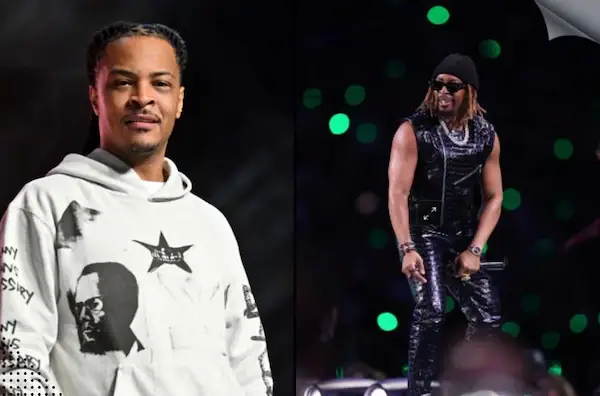
The emergence of southern rap in the 2000s marked a pivotal moment in the evolution of hip hop, as artists from the region began to dominate the charts and redefine the genre’s sound. Pioneering figures like Lil Jon and T.I. showcased the unique characteristics of southern rap, incorporating heavy bass, catchy hooks, and party-friendly beats that resonated widely with audiences. Lil Jon, known for his energetic anthems, played a crucial role in popularizing the crunk subgenre, with hits like “Get Low” energizing clubs and gatherings.
Meanwhile, T.I. emerged as a versatile force in southern rap, releasing iconic tracks such as “Whatever You Like,” which blended smooth melodies with introspective lyrics, reflecting both personal ambition and street narratives. These artists not only elevated southern rap’s profile but also contributed to the genre’s enduring influence on the broader hip hop landscape, shaping a sound that continues to thrive in contemporary music.
Hip Hop Fusion:

The blending of hip hop with other genres such as rock, pop, and R&B became a defining feature of the 2000s music landscape, showcasing the versatility and expansive reach of hip hop. This fusion not only broadened the genre’s appeal but also facilitated collaborations that produced innovative sounds and unforgettable tracks. Notably, Linkin Park’s partnership with Jay-Z on the “Collision Course” EP exemplified this synergy, merging rock’s powerful instrumentation with hip hop’s lyrical prowess. Their hit “Numb/Encore” became an anthem for a generation, demonstrating how effectively these diverse styles could complement each other.
Eminem also played a pivotal role in the hip hop fusion movement, collaborating with various artists across genres, including Rihanna on the chart-topping single “Love the Way You Lie.” This track featured R&B influences with Eminem’s signature rap delivery, resulting in a commercially successful blend that captivated audiences worldwide. These collaborations not only showcased the adaptability of hip hop but also solidified its place as a dominant force in mainstream music, ultimately reshaping the boundaries of various musical genres.
Cultural Movements:

The 2000s hip hop scene was shaped by various cultural movements. The bling era, characterized by the celebration of wealth and material possessions, emerged as a prominent trend. Additionally, the rise of the mixtape culture provided a platform for emerging artists to showcase their talents, while the internet revolutionized the distribution and consumption of hip hop music.
The Bling Era:
The bling era of the 2000s marked a significant cultural phenomenon in hip hop, centered around the celebration of wealth and material possessions. During this period, artists flaunted their success through extravagant displays that became integral to their identities and public personas. Key symbols of this movement included iconic gold chains, luxury cars, and designer clothing, all representing a lifestyle steeped in opulence and excess.
Artists like Jay-Z, Lil Wayne, and 50 Cent epitomized this aesthetic, often incorporating these symbols into their music videos and public appearances. This celebration of wealth not only influenced the genre’s sound and visuals but also resonated deeply with fans, reflecting aspirations and the pursuit of success within the broader cultural landscape of the time.
The Mixtape Culture:
The rise of mixtapes in the 2000s provided a crucial platform for emerging artists, allowing them to showcase their talents and connect with audiences outside traditional album releases. This shift not only democratized the music industry but also fostered a vibrant underground scene where creativity thrived. Mixtapes became an essential tool for marketing, helping artists build their fan bases and generate buzz prior to major record deals.
Key mixtapes, such as DJ Khaled’s “We Global” and DJ Screw’s “Chopped & Screwed,” exemplify the impact of this cultural phenomenon. “We Global,” released in 2007, featured a mix of original tracks and guest appearances from various artists, highlighting Khaled’s unique ability to curate sounds and spotlight emerging talent. Meanwhile, DJ Screw’s “Chopped & Screwed” style, which involved slowing down and manipulating the tempo of tracks, revolutionized how music was experienced and consumed, particularly in Southern hip hop. This approach not only fostered a specific sound but also created a lasting legacy that continues to influence artists today, solidifying the mixtape’s role as a cornerstone of hip hop culture in the 2000s.
The Internet’s Influence:
The rise of the internet significantly transformed hip hop culture and its distribution methods, reshaping how artists shared their music and connected with fans. Key platforms such as YouTube, MySpace, and SoundCloud emerged as vital tools for artists to amplify their presence and promote their work.
YouTube became a powerful medium for music videos and artist showcases, giving rise to viral sensations and allowing artists to reach global audiences without traditional gatekeeping. This platform enabled rapid dissemination of new music and cultural trends, exemplified by the explosive success of artists like Soulja Boy, whose viral hit “Crank That” redefined the power of online promotion.
MySpace served as an early social networking hub for musicians, offering a space for unsigned artists to share their music and build a following. Many hip hop talents, including Mac Miller and Lil B, leveraged this platform to engage directly with fans, leading to increased visibility and opportunities within the industry.
SoundCloud further revolutionized the landscape by enabling users to upload, share, and discover new music, fostering a sense of community among emerging artists. This platform played a crucial role in launching careers of notable artists like Chance the Rapper and Lil Uzi Vert, highlighting the significance of digital platforms in democratizing music distribution and creating new pathways for success in hip hop culture.
Social and Political Issues:

Hip hop has long served as a powerful medium for addressing social and political issues, with artists using their platforms to shed light on pressing matters affecting their communities. Central themes in hip hop lyrics often include police brutality, racial inequality, and systemic injustice, reflecting the artists’ lived experiences and societal observations.
Police Brutality:
The issue of police brutality is particularly prominent in hip hop, with many artists articulating the pain and frustration experienced by marginalized communities. Songs like “F*** tha Police” by N.W.A. and “Alright” by Kendrick Lamar resonate deeply, as they confront the realities of violence and discrimination faced by Black individuals at the hands of law enforcement. Through compelling narratives and powerful imagery, these tracks not only highlight the urgent need for reform but also galvanize listeners to engage in activism and advocacy.
Racial Inequality:
Racial inequality is another critical theme prevalent in hip hop music, with artists frequently exploring the effects of systemic racism on their lives and communities. Songs such as “The Message” by Grandmaster Flash and the Furious Five, and “Fight the Power” by Public Enemy challenge societal norms and call for change. These anthems articulate the struggles faced by people of colour and inspire listeners to reflect on the broader implications of racial disparities in education, employment, and justice.
Systemic Injustice:
Beyond police violence and racial inequality, hip hop also addresses systemic injustice in various forms, including economic disparity and access to resources. Artists like J. Cole and Nas have woven these themes into their narratives, discussing the socio-economic challenges that perpetuate cycles of poverty and disenfranchisement. By amplifying these issues through their lyrics, hip hop not only raises awareness but also serves as a rallying cry for those seeking to dismantle systemic barriers and advocate for equitable change.
Conclusion:
The 2000s hip hop style was a multifaceted and influential era that left an indelible mark on both fashion and music. The key elements of this style include the emergence of casual streetwear, the dominance of logo-centric fashion, and the iconic bling culture, all of which became synonymous with the identity of hip hop during this time. From baggy jeans and branded sneakers to gold chains and snapback caps, these trends were not merely fashion statements but also symbols of authenticity and cultural expression.
The lasting impact of the 2000s hip hop style is evident in contemporary hip hop culture, where the aesthetics and attitudes of this era continue to inspire artists and fashion designers alike. The fusion of musical genres that began in the 2000s has paved the way for today’s diverse and innovative sounds, while the cultural movements of that time laid the groundwork for how hip hop engages with social and political issues today.
In reflecting on the significance of the 2000s hip hop style, it’s clear that this era was more than just a moment in fashion and music history—it was a movement that redefined what it meant to be a part of the culture. The trends and sounds from this period continue to influence the world, proving that the essence of 2000s hip hop is timeless and ever-relevant.

